An experienced civil engineer with entry level or 5+ years of experience in the design and construction of large-scale
infrastructure projects. Has an excellent track record of delivering projects on-time and within budget in; non-governmental
organisations (NGOs), International Non-Governmental Organisations (INGOs), private sector and donors. Extensive
knowledge of engineering principles, building codes and safety regulations; conducting research, tests to determine the types
of material and methods to use for a project; creating, implementing plans for development and management of construction
projects; conducting environmental impact assessments and ensuring compliance with environmental regulations;
developing, implementing plans for the maintenance and repair of civil infrastructure; designing, constructing public works
such as; roads, bridges and water systems; developing, managing budgets, schedules and contracts for projects; analysing data
to ensure proper execution of projects; inspecting construction sites and monitoring progress of projects; preparing reports,
plans and designs for projects supervising, providing technical guidance to civil engineering technicians and other
professionals. Skilled in AutoCAD and BIM. software, and is certified in both. Possess outstanding skills in interpersonal
communications, strong organisational skills, proactively finding solutions to organisation’s challenges and attention to detail.
The Project Engineer Consultant for UN Migration (IOM) oversees the planning, design, and implementation of
construction and basic infrastructure projects, ensuring compliance with technical standards and local regulations.
Responsibilities include conducting technical assessments, preparing designs and budgets, supervising contractors, and
monitoring construction progress to ensure timely delivery and quality. The role involves coordinating withstakeholders, including local authorities, donors, and communities, to align projects with needs, while promoting
sustainability and capacity-building initiatives. Additionally, the consultant meets health, safety, and environmental
standards and provides technical guidance for project success and long-term impact.
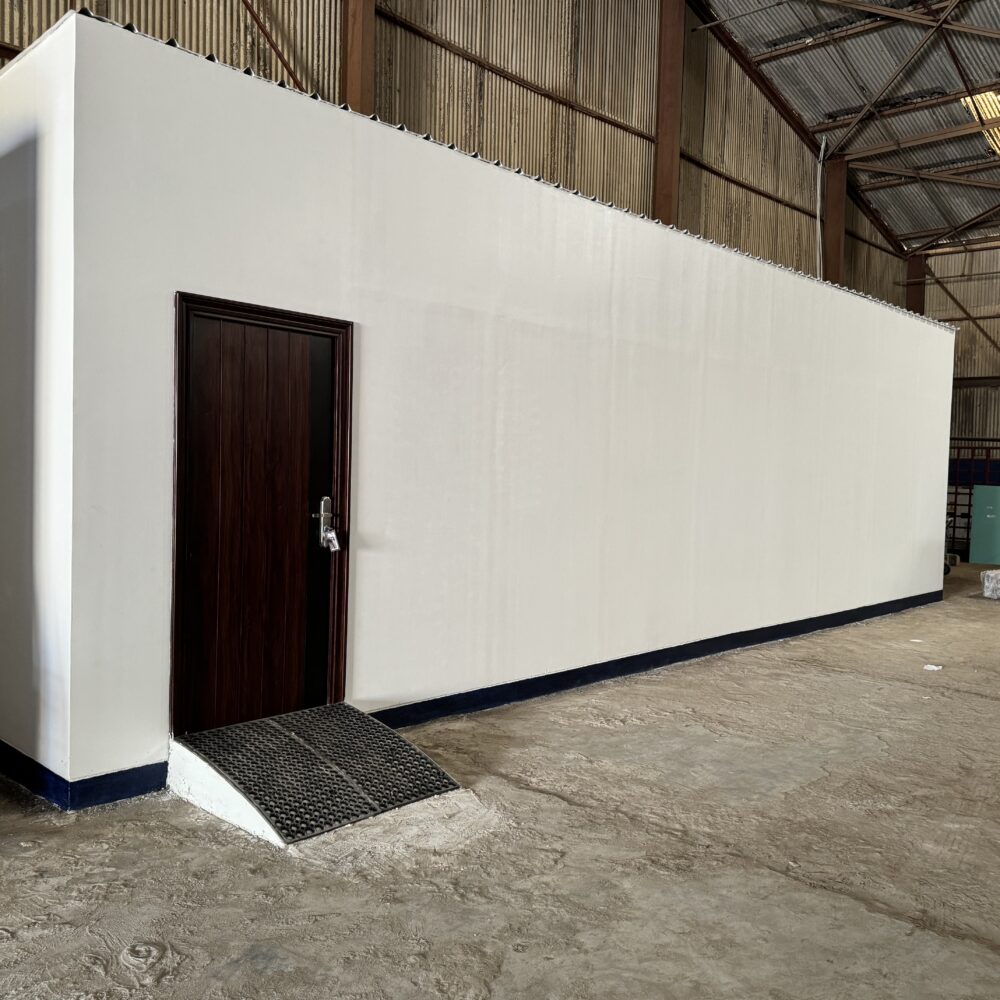
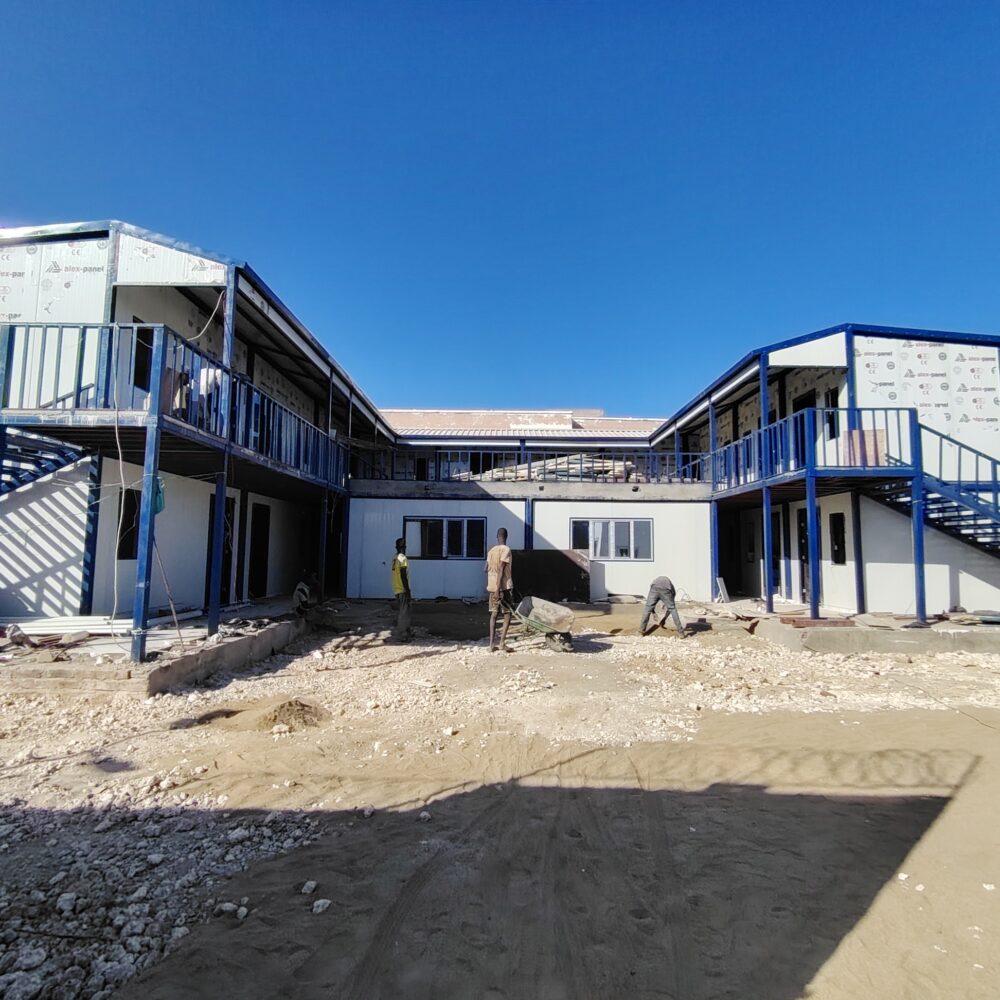
Prepare detailed and achievable strategies and activities for constructing core permanent shelters.
Review and update the technical engineering plan and design of the core permanent shelter with the Local Government
Unit (LGU) counterpart.
Supervise, train, organize, and monitor field construction teams.
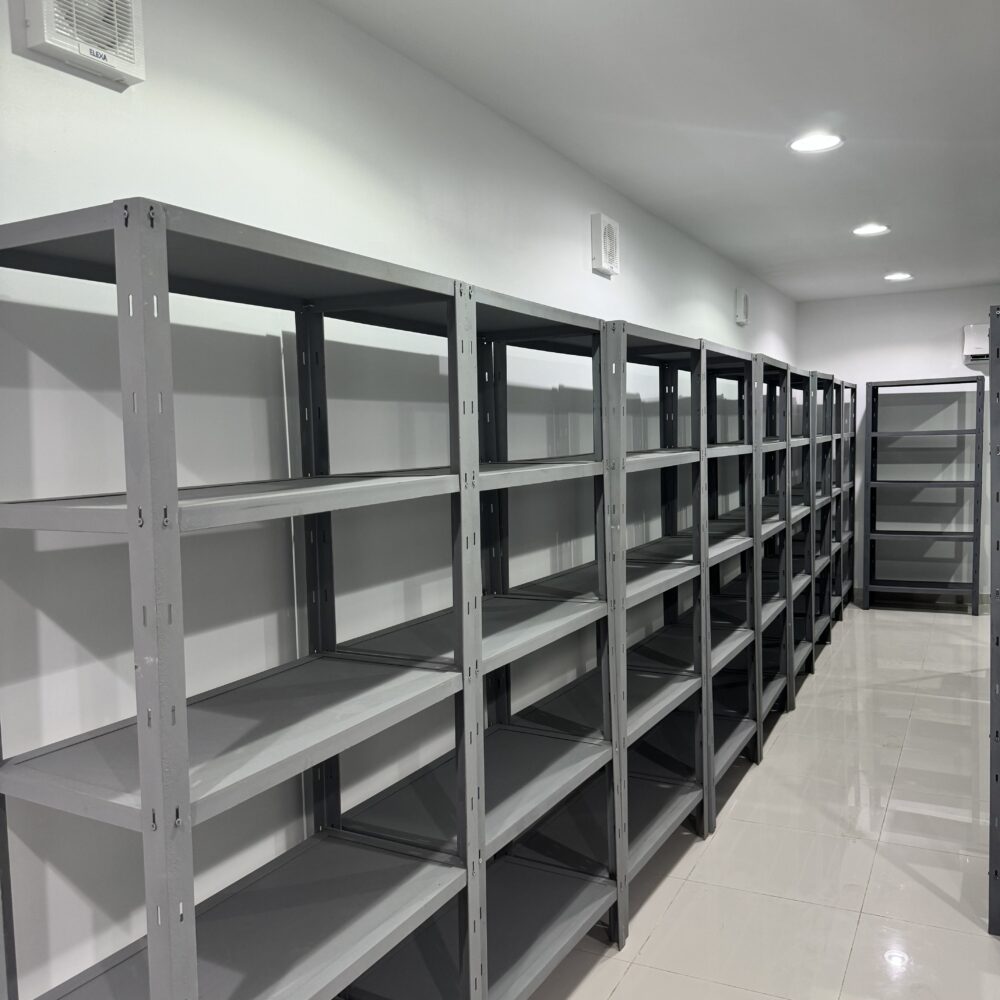
Provide technical and quality control advice on the construction materials that will be procured for the project.
Work closely with procurement/logistics personnel pertinent to timely delivery of construction materials.
Prepare policies for on-site monitoring of ongoing construction activities.
Plan and implement capacity-building and training activities for the IDPs regarding temporary shelter construction and
maintenance.
Overall responsible for surveying, designing, and quality control of construction/repair activities and ensuring timely
implementation of construction/repair activities.
Develop, manage, and implement an efficient billing system relative to the construction of transitional shelters.
Attend meetings and coordinate with various key agencies, LGUs, and other government or international NGOs active
in the shelter sector for matters about construction activities.
Ensure technical compliance with GoP, donor, and IOM regulations in shelter construction and obligations.
Prepare project progress reports for submission to the Project Management Team (PMT), indicating recommended
project support actions as required/necessary.
Liaison and negotiation with relevant government and non-government organizations and other institutions in the
overall direction and implementation of the project.
Offer technical services, and support and contribute to supporting successful planning, implementation and
monitoring of IOM’s Water, Sanitation, and Hygiene promotion (WASH) and basic infrastructure activities in
the designated Area of Responsibility in Sudan. Support through Providing technical inputs in design,
implementation, monitoring, and evaluation of discrete WASH and infrastructure aspects of IOM’s
integrated emergency response and transition program, which addresses the immediate and long-term
recovery needs of internally displaced people, refugees, and host communities affected by conflict and/or
disaster caused by natural hazards and the adverse effects of climate change. working to
promote the integration of disaster risk reduction, climate change adaptation, environmental protection,
gender, Accountability to Affected Populations (AAP), and conflict-sensitive programming across WASH and
basic infrastructure activities,
The overall objective of this project is to contribute to improving access to life-saving and humanitarian assistance
through an integrated multi-sectorial response. To provide WASH support ensuring targeted communities have
equitable and improved access to safe water, and sanitation services, and increased knowledge and adoption of safe
hygiene/solid waste management collection practices. To provide emergency WASH assistance upon the onset of any
emergency within Sudan using IOM's pre-identified list of WASH emergency interventions that, through a flexible and
adaptable project design, will enable IOM to address the most urgent WASH needs.
Provide qualitative and quantitative data collection and design and implementation of quantitative and qualitative
data collection tools.
I am Roving Field Engineer for the Emergency BHA Project Responsible for all of the Health, Nutrition, and WASH
constructions of North Darfur (ND), and Blue Nile State (BNS) my core responsibility focusing on leading the
implementation of ongoing projects (Construction and/or rehabilitation installation components) for IDPs, host
community, and RI operation areas to meet and ensure the RI standards and the national WASH standards, depending
on the context.
Responsible for day-to-day coordination with the contractors and suppliers according to the needs and requirements
on site, and organizing the field activities (planning and logistics arrangement with the log team); responsible for
developing documents as per donor guidelines
Preparing technical specifications for infrastructure projects including structural, architectural, sanitary, and
electrical details of design drawings by consulting the relevant Sectorial offices and standards. To order the required
material needed and control their use by the teams/contractors, and Follow-up contracts with contractors and subcontractors
in collaboration with the log team.
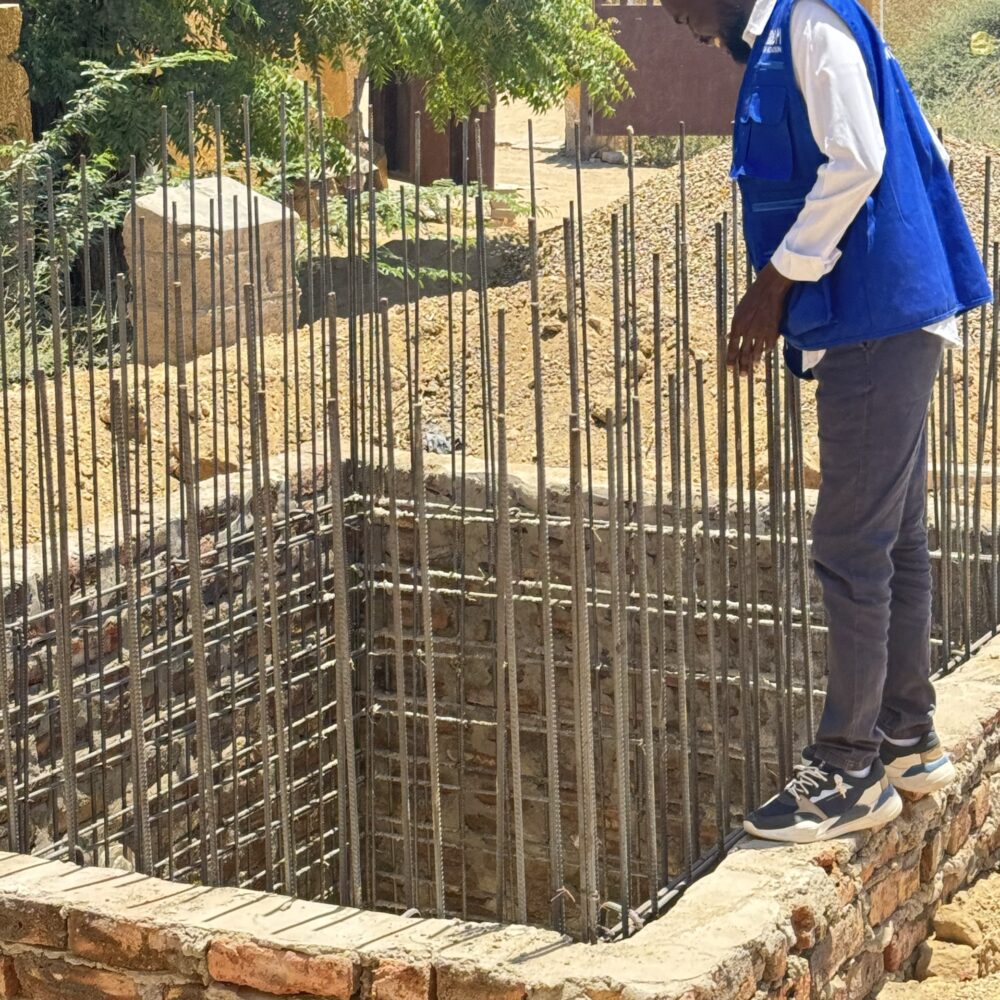
Responsible for the overall supervision of the WASH and Building construction technical activities (water sources
rehabilitation and development, construction activities, rehabilitation of health facilities, etc.), and Participating and
supporting the designing of project facilities ( health, WASH, and nutrition) and any activities related to water yards,
hand pumps, or water distribution system rehabilitation or installation: removal, repairing, cleaning, and borehole
drilling and rehabilitation: fishing, flushing, development, pump testing, hand pump platform construction or
rehabilitation: apron, a drainage trench, soak away pit
Prepare bills of quantities and estimation of project durations in consultation with the technical projects Managers,
and Review and approve in consultation with technical project Managers all construction designs and
establish/ensure technical specifications, drawings, designs, and guidelines are met according to the technical
standards in materials and building/installation techniques.
Conduct qualitative and quantitative data collection to evaluate WASH interventions, including designing and
implementing tools specifically for gathering qualitative insights and quantitative metrics related to water, sanitation,
and hygiene practices.
Jointly with the technical staff of implementing partners and other relevant sector (WASH, Health, Nutrition) actors,
updated detailed needs and resource assessments and revised designs of technical plans as necessary, taking into
account practical aspects of implementation, long-term sustainable solutions, and relevant technical specifications
and guidelines.
I was a Civil Engineer for a USAID-BHA funded Project for Improving access to water resources through integrated
water resource management, improvement of livestock conditions, and prevention and mitigation of inter-communal
conflict through conflict mitigation and dispute resolution approach in North Darfur, my core responsibility focused on
General awareness about IWRM, conflict resolution, and the importance of water resources and related resources,
Formation of Water Resources Management Committee (WRMC), Mapping of water sources and water corridors by
community participation at the field level, Visiting water resources, Rehabilitation/Upgrade of selected Water
Resources identified in WRMP in targeted areas (Edalnbag, Adam regal, Bairka, Mistariha, Almodeeb) in kabkabiya
locality, full training of committees in IWRM through professional facilitators from the Centre of peace studies the
University of EL Fasher.
Participated in needs assessments and reviews at the community level to determine interventions that are required,
particularly those related to community water points in the Kabkabiya locality, Oversee and supervised the
implementation of projects by efficiently controlling the quality of technical works during the design and construction
of water supplies, including boreholes and water yards)
Prepared detailed specifications for the invitation to bid for the construction of the designed infrastructure, and
Provided information to Project Managers and the Head of Programs to verify that contractors, suppliers, and works
were consistent with the project technical specifications and inform promptly of eventual deviations;
Monitored activities and reported on project progress, and lessons learned during project implementation
Developed all the project works (design plans, working drawings, technical specifications, bills of quantities, work plans,
reports, and field mission requests) and shared in time with the PM, and Coordinate and overseed the works of the field
team and reported to the PM
Regularly monitor and follow up on the project's activities in the field locations, including site supervision of
construction and rehabilitation in accordance with COOPI standards
Draft reports on specific activities that have been carried out, in respect of COOPI’s and USAID BHA guidelines.
I was the engineer responsible for Supervising the implementation of project activities (affairs construction,
irrigations well with the solar system, construction of nursery, community forest fencing, rock check dams) in Mellit,
kabkabiya, sarfumra localities
I Supervised and handed over to the community five haffir constructions, two irrigation wells with solar systems,
and the construction of nursery and community forest fencing in Mellit locality.
Four irrigation wells with solar systems, construction of nursery, and community forest fencing, and rock check dam
in Kabkabiya locality.
Four irrigation wells with solar systems and the construction of a nursery in sarf omra locality.
Handed over project activities to the community which I supervised in the mentioned localities in coordination with
the local government line administration and the water units attached to them.
I was a site technician assistant in Kabkabiya locality, for a UNWFP-funded FFA/PSN project for Strengthening, the
resilience of vulnerable communities to climate shocks and natural disasters through improved agriculture, water, and natural resources management in North Darfur I was responsible for, Supervised implementation of project activities
(PSN / CBT) in four clusters around kabkabiya locality (umlaut, jawrey, gergo, jaldama). Construction of four Irrigation
wells in each of Umlaota and jaldama clusters including; solar power pumping system installation,
Trained on VSLA, IGA, and Home gardening in gergo cluster, rock check dam construction in jawrey cluster, multipurpose
tree seedlings raising, out-planting pit/Negarim construction, and out-planting in Jeldama Cluster. Supervised
of implementation of community forest fencing and nursery construction.
Post distribution monitoring (PDM), made training for Enumerators in filling questionnaires for beneficiaries, with full
supervision and reporting for (PDM) Operation. Distributed seeds and tools for project participants in all clusters.
Community-Based Participatory Planning (CBPP) assessment for next year, effective planning with the participation of
the community with other activities Market/Price monitoring, Establishment and management of complaint and
feedback mechanisms.
With community participation, we made a proposal for village planning, and organising with community contribution
to donor UNDP and the proposal won funding. Supervised the village planning, and organized the legalisation of
residential plots in coordination with land and urban planning office kabkabiya locality. Supervised, and evaluated
schools’ construction in the village, and made assessments of needs for repair and rehabilitation.